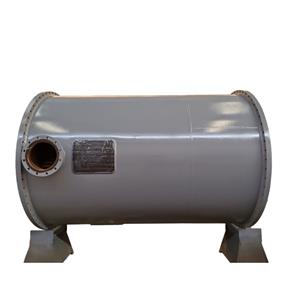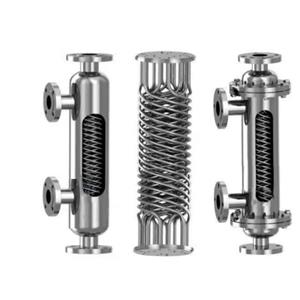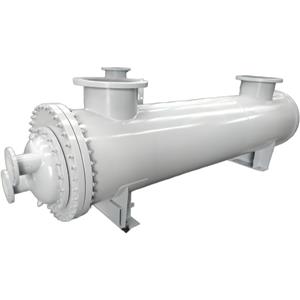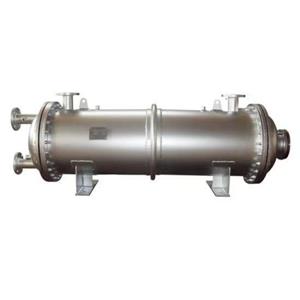
Fixed Tube Sheet Shell and Tube Heat Exchanger TEMA BEM

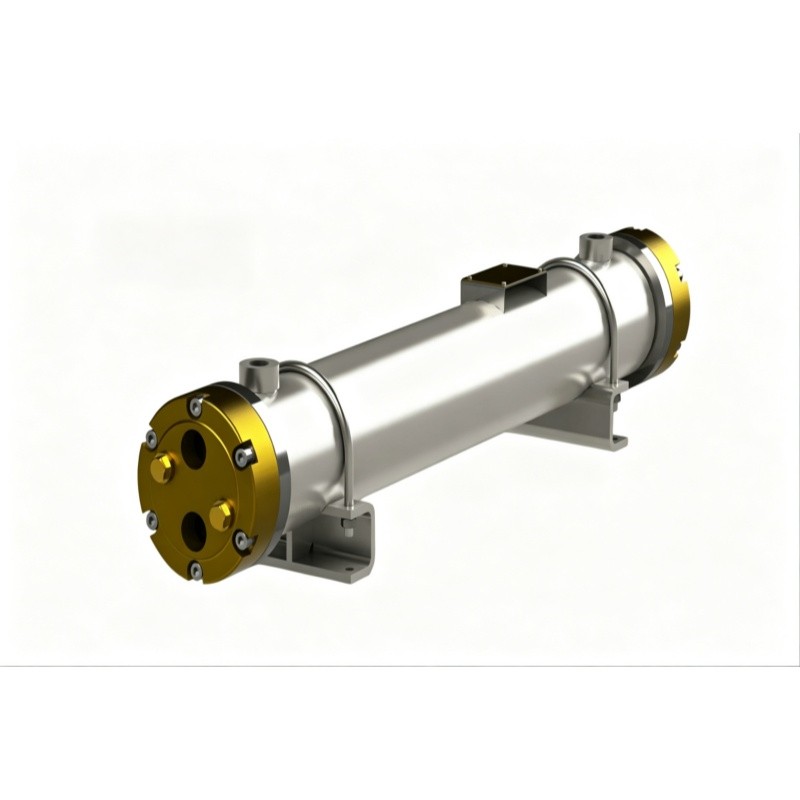
- OEM/ODM
- CHINA
1.Ultra-high Heat Transfer Density: The intensive tube bundle layout increases the effective heat transfer area by 20%–30% compared with floating head heat exchangers of the same specification. Combined with multi-baffle flow guiding and multi-pass heat exchange design, the fluid heat exchange sufficiency is greatly improved, realizing high-efficiency heat exchange with low energy consumption.
2.Zero Internal Leakage & High Safety: The professional tube expansion + welding dual process ensures tight connection between tube and tube plate, with extremely low bypass seepage rate and zero internal leakage. The standardized pressure vessel head and welded structure improve overall pressure resistance and operational safety, meeting international industrial safety standards.
Fixed Tube Sheet Heat Exchanger | TEMA BEM Fixed Tube Sheet Shell and Tube Heat Exchanger for Industrial Process Cooling & Heating
Real Industrial Application Scenarios
With its simple and reliable structure, professional dual-process sealing, high heat transfer efficiency and strong working condition adaptability, our fixed tubeplate heat exchanger is widely recognized by European and Middle Eastern industrial purchasers, and is stably applied in multiple core industrial scenarios such as petrochemical processing, power energy production, metallurgical manufacturing and food light industry.
Standard Structural Components
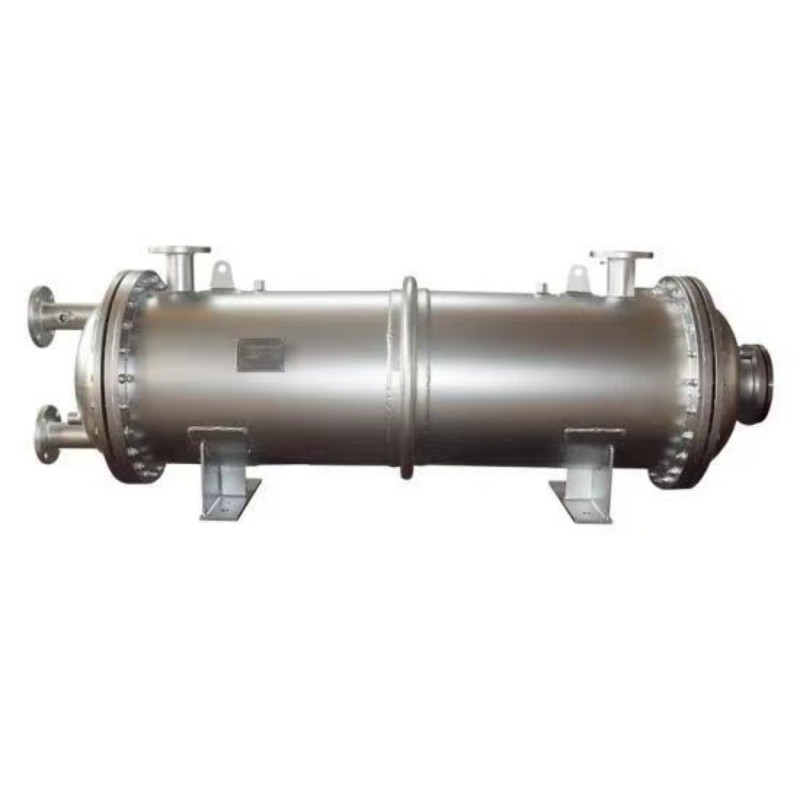
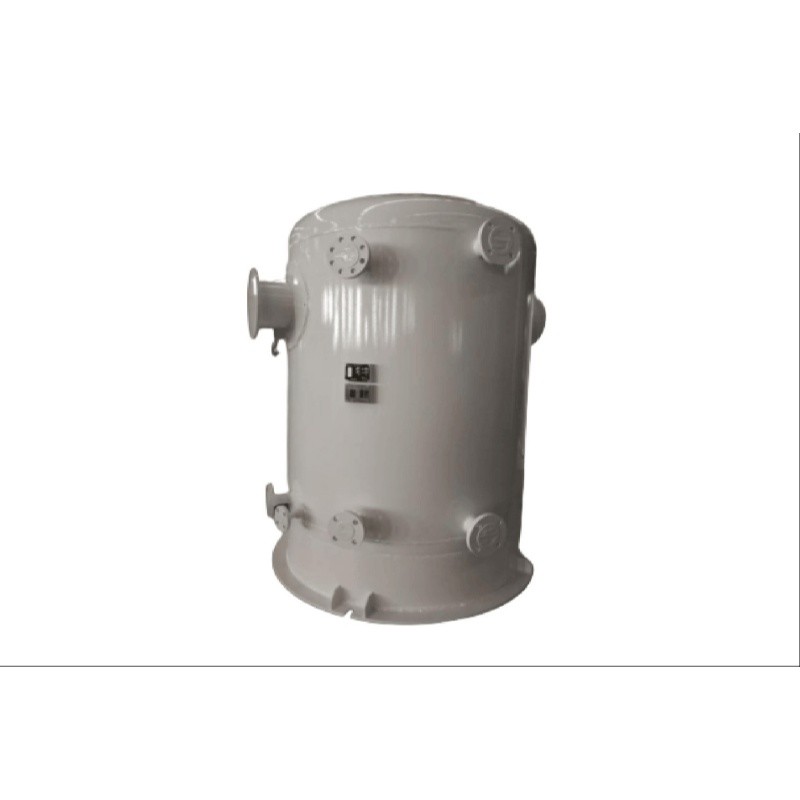
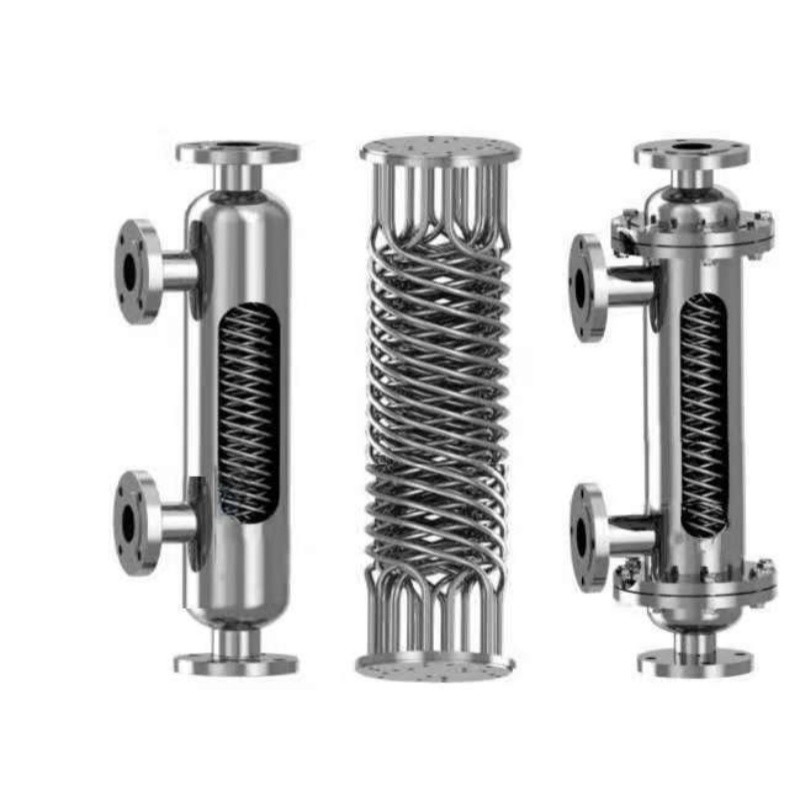
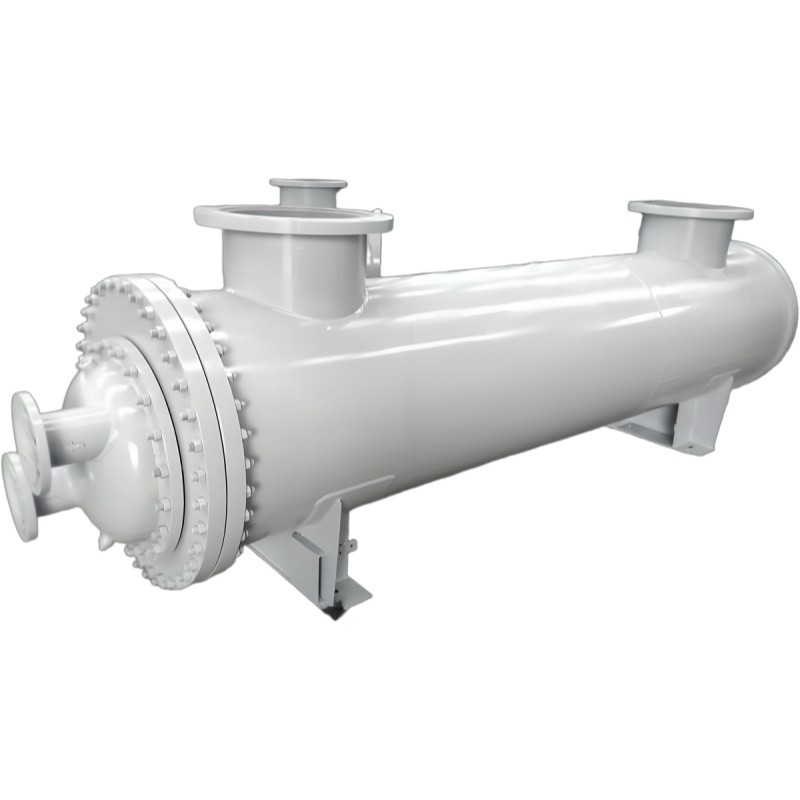
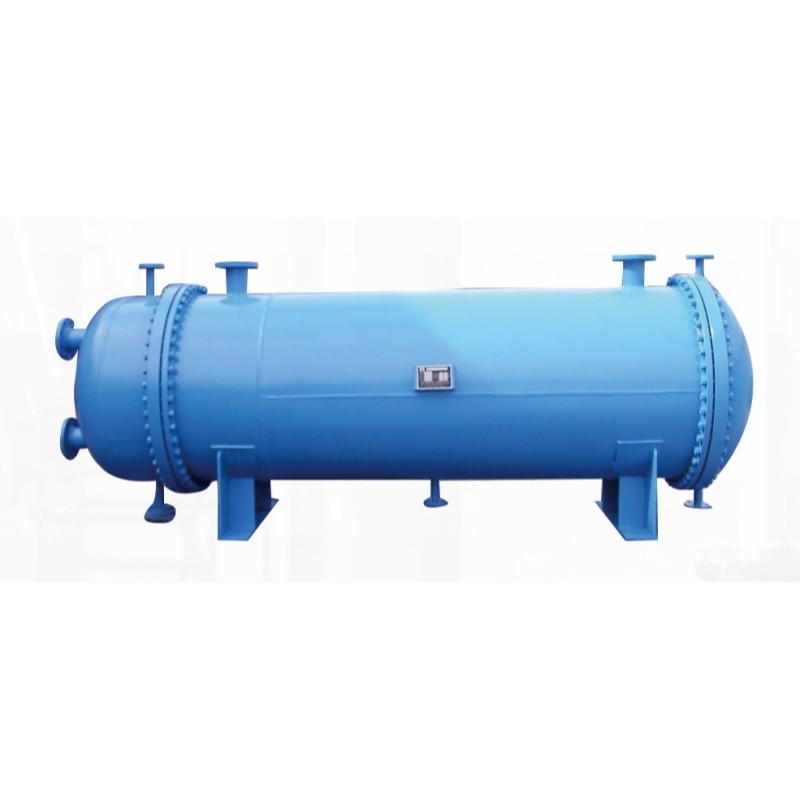
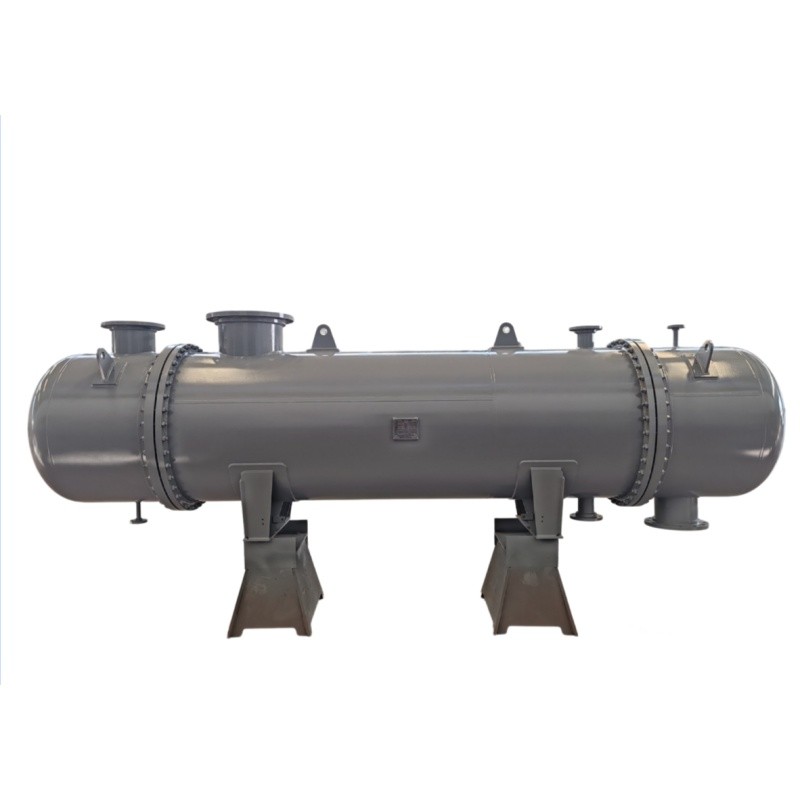
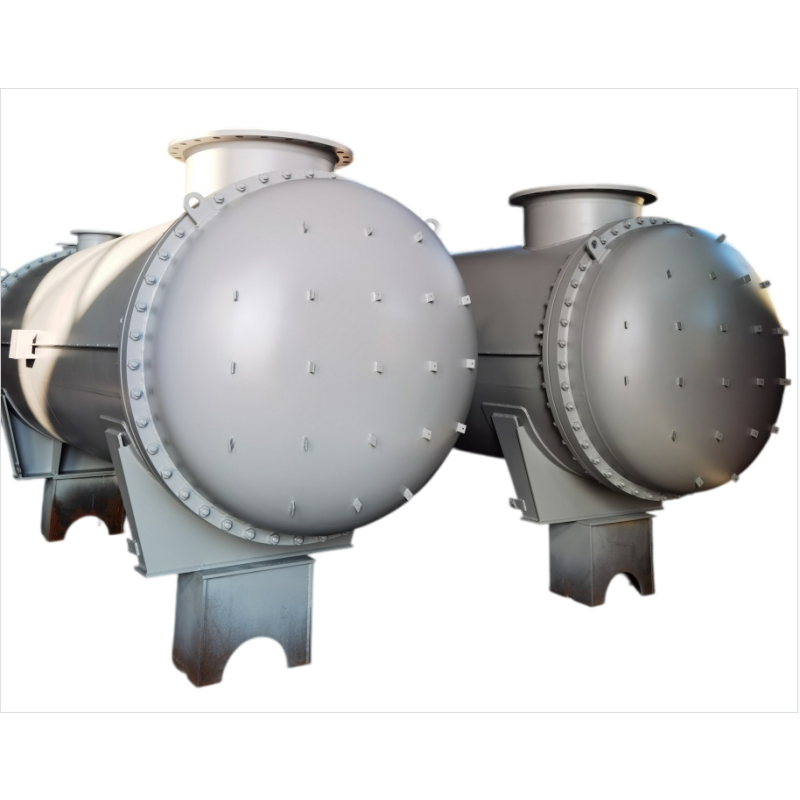
The core components include tube box, cylindrical shell, fixed tube plates at both ends, heat exchange tube bundle and internal flow baffles. The pressure-bearing components adopt standardized elliptical heads complying with GB/T25198-2023 standard, with high pressure resistance and structural stability. The tube plates at both ends are integrally welded with the shell to form a fixed closed structure. The shell side inlet and outlet nozzles are directly welded on the shell body, and the outer circumference of tube plates is fastened with flanges and bolts to ensure overall tightness. The tube side inlet and outlet are integrally welded with the head to avoid medium leakage. Auxiliary accessories include filter, thermometer, pressure gauge, support base and guide rods, which can be customized according to project demands.
Industrial Core Pain Points & Targeted Technical Solutions
Pain Point 1: Traditional heat exchangers adopt loose tube bundle layout with limited heat transfer area and low space utilization
Most ordinary shell and tube heat exchangers feature scattered tube arrangement, resulting in limited effective heat transfer area under the same shell diameter specification. To meet high-load industrial heat exchange demands, enterprises have to purchase oversized equipment, which occupies valuable plant space, increases infrastructure investment and equipment layout costs. In addition, unreasonable tube layout leads to insufficient fluid contact and low heat transfer density, failing to support 24-hour continuous high-efficiency production of large-scale petrochemical and power generation projects, restricting overall production capacity improvement.
Targeted Solution: The fixed tube sheet shell and tube heat exchanger adopts an integrated compact tube bundle layout with dense and orderly tube arrangement. Under the identical shell diameter, its effective heat transfer area is 20%–30% larger than floating head heat exchangers. This intensive structural design maximizes the utilization rate of internal shell space, realizes higher heat transfer density with smaller equipment volume, thoroughly solves the problems of insufficient heat exchange capacity and large footprint of traditional equipment, saves plant construction and equipment procurement costs for enterprises, and significantly improves unit space production efficiency.
Pain Point 2: Conventional heat exchangers have unreliable tube-plate connection, high leakage risk and numerous vulnerable accessories
Most peer heat exchangers adopt simple assembly connection structures with a large number of bolts and auxiliary accessories, resulting in high manufacturing costs and high failure rates of vulnerable parts. The traditional tube-plate connection process is unstable, prone to internal leakage, medium mixing and heat exchange failure during long-term operation. Enterprises need to invest a lot of manpower and material resources in regular inspection, maintenance and accessory replacement, which greatly increases the long-term operational and maintenance costs of production lines and reduces project economic benefits.
Targeted Solution: Our Fixed Tubesheet Heat Exchanger adopts dual-process fixing of professional tube expansion and welding for tube bundle and tube plate. The standardized expansion joint (tube expansion) process makes the tube end produce plastic deformation and closely fit with the elastic-deformed tube plate hole, forming zero-gap fastening and sealing; the auxiliary welding process further strengthens the connection strength. This integrated tube-plate fixing structure completely eliminates internal leakage risks. Meanwhile, the equipment is designed with fewer connecting bolts and auxiliary parts, effectively reducing manufacturing costs and vulnerable part failure rate, and realizing full-lifecycle cost control for industrial enterprises.
Pain Point 3: Ordinary heat exchangers cannot resist temperature difference stress, prone to structural damage under high temperature difference working conditions
In petrochemical, power and chemical production scenarios, the temperature difference between tube side and shell side media often exceeds 50℃. Traditional heat exchange equipment lacks targeted stress relief structure, and the temperature difference between shell and tube wall is easy to generate huge thermal stress. Long-term stress accumulation will cause deformation, cracking and damage of tube plate and tube joint, greatly shortening equipment service life and leading to frequent production shutdowns and equipment replacement losses.
Targeted Solution: The fixed tubeplate heat exchanger supports customized installation of shell expansion joints for working conditions with temperature ≥50℃. The expansion joint structure can effectively absorb the thermal expansion and contraction deformation of tube bundle and shell, balance and release the temperature difference stress between tube and shell sides, avoid structural cracking and damage of tube plate and tube joint, ensure long-term structural stability of the equipment in high temperature difference environments, and extend the overall service life of the equipment.
FAQ
Q1: What working conditions and industries is the TEMA BEM fixed tube sheet heat exchanger suitable for?
Our fixed tube sheet heat exchanger is widely applicable to petrochemical, power generation, metallurgy, light industry, food processing and other industrial fields. It is most suitable for working conditions with clean or slightly corrosive media, long-term continuous operation and large temperature difference between tube and shell sides. It is not recommended for working conditions with extremely dirty media, severe scaling and strong corrosion, which are not conducive to shell-side maintenance.
Q2: Can you customize the structure and parameters according to project working conditions?
Yes. We provide full personalized customization services. We can configure shell expansion joints for high temperature difference conditions, customize multi-pass tube side and double-pass shell side structures according to fluid flow rate, and select carbon steel, stainless steel, alloy and other materials according to working pressure and medium corrosion. All customized products comply with TEMA BEM standard and GB/T25198-2023 pressure vessel specifications to meet European and Middle Eastern project standard requirements.
Q3: How do you solve the temperature difference stress problem in high-temperature industrial environments?
For operating temperature ≥50℃, we professionally install a dedicated shell expansion joint. This structural accessory can effectively absorb the thermal expansion and contraction deformation of tube bundle and shell, balance the temperature difference stress between tube and shell sides, prevent tube plate deformation and tube joint cracking, and ensure the safe and stable operation of the fixed tubeplate heat exchanger in high temperature difference working conditions.
Q4: What is the daily maintenance cycle and difficulty of the equipment?
The equipment has low maintenance difficulty and low cost. The tube side can be manually cleaned regularly with a conventional maintenance cycle of 3–6 months. Key maintenance items include tube-side scale cleaning, flange bolt tightness inspection, instrument calibration and expansion joint operation check. The shell side adopts regular chemical cleaning to avoid scaling accumulation, ensuring long-term stable heat exchange efficiency.