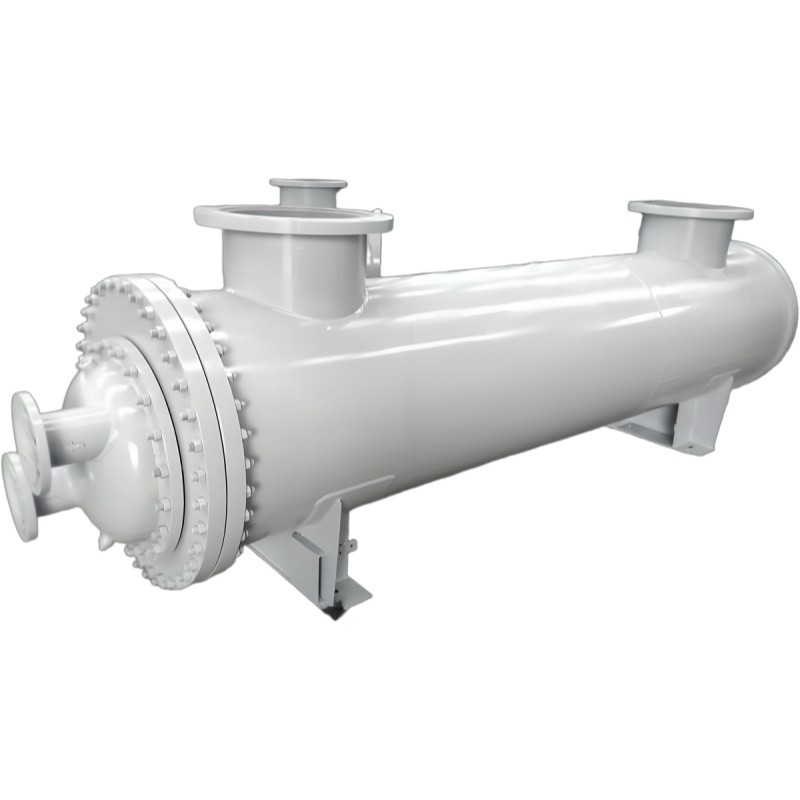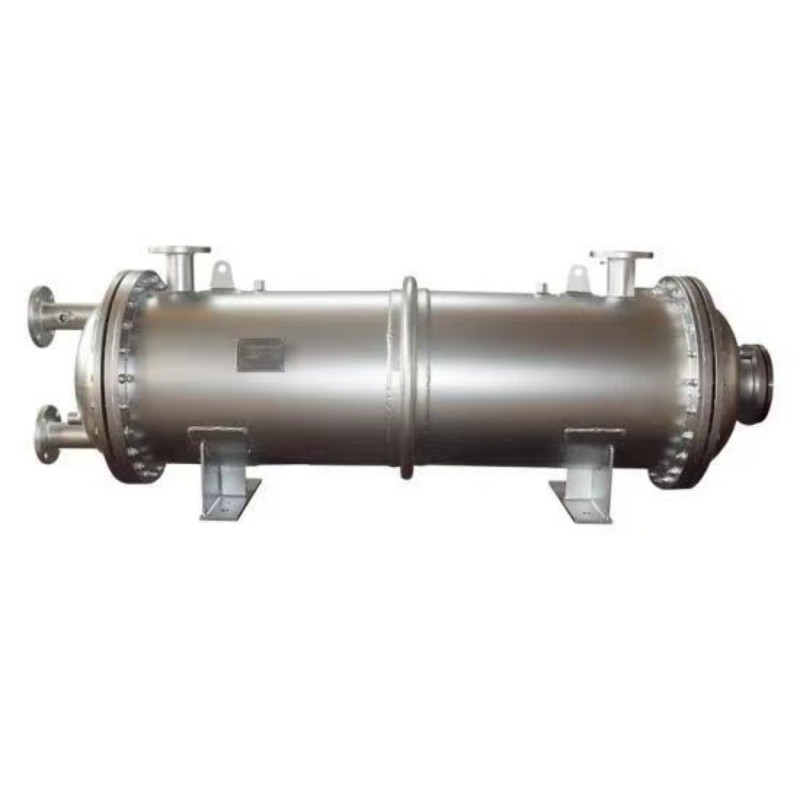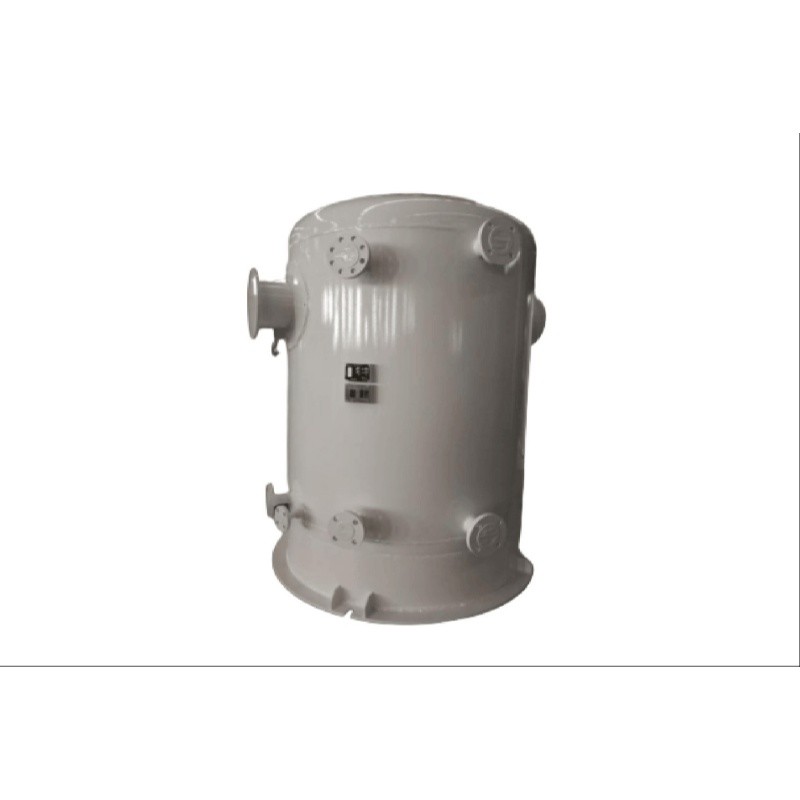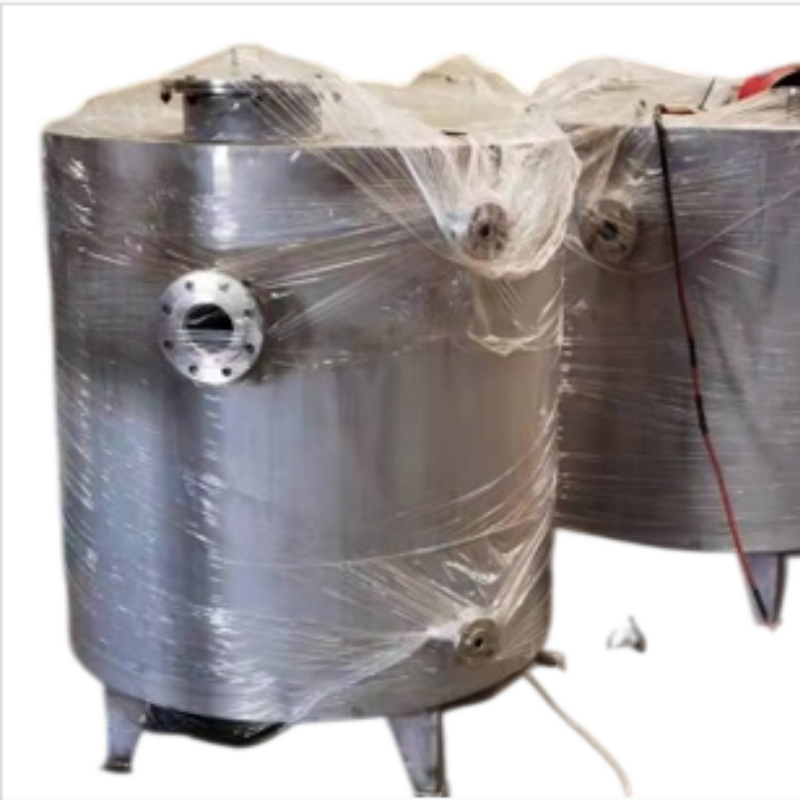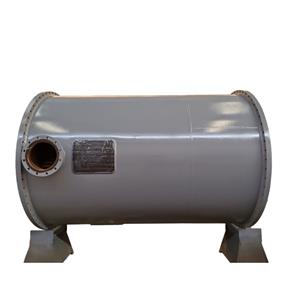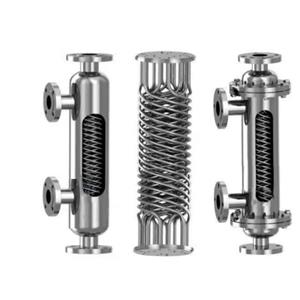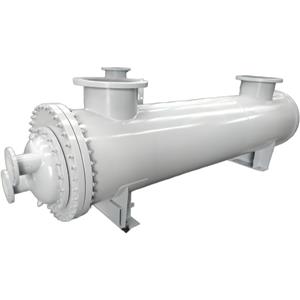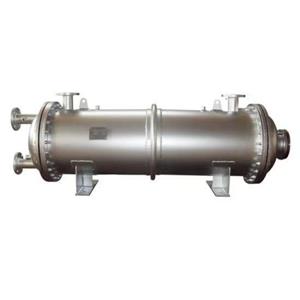
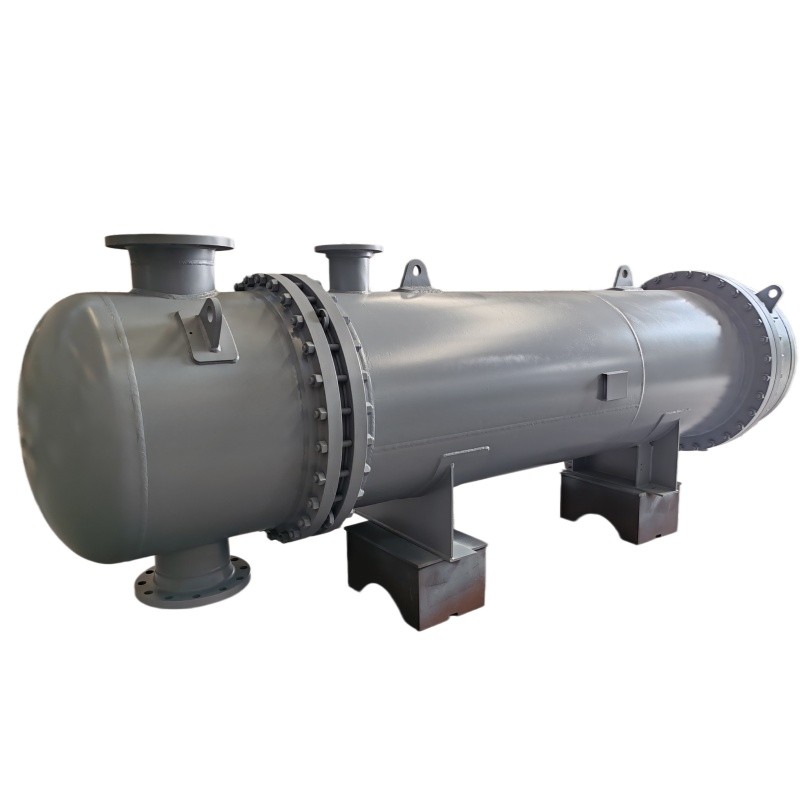
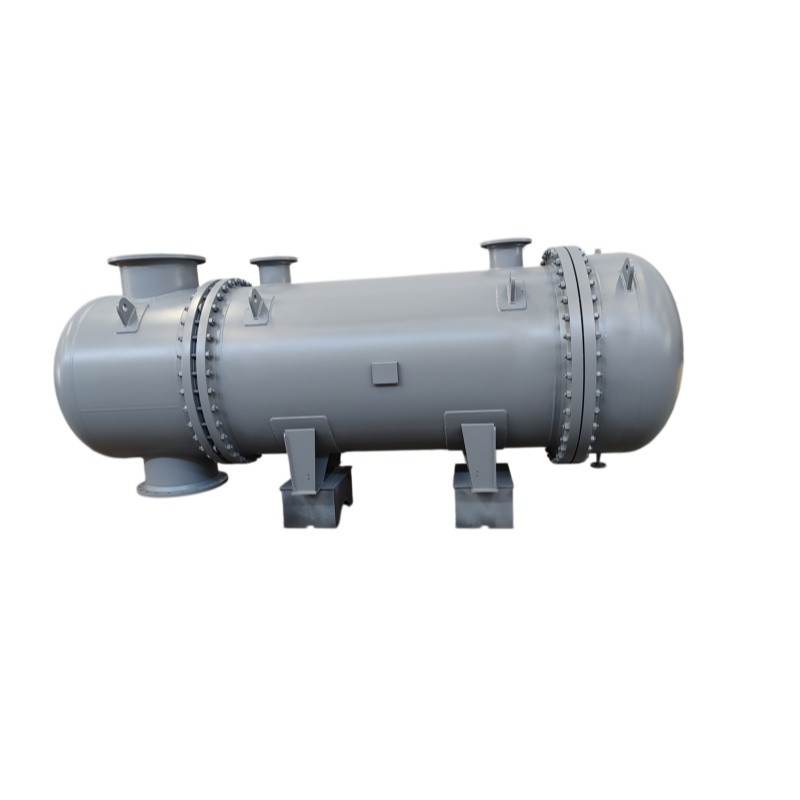
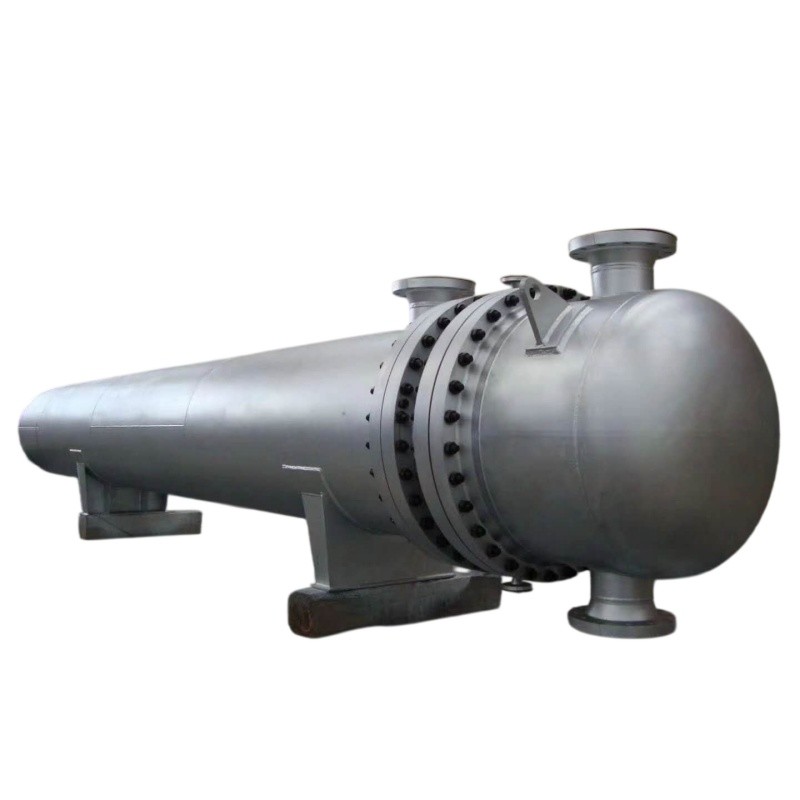
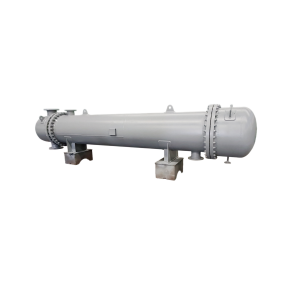
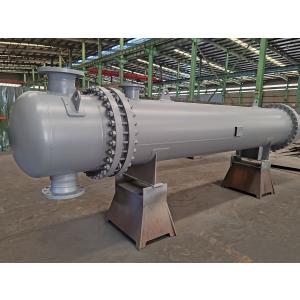
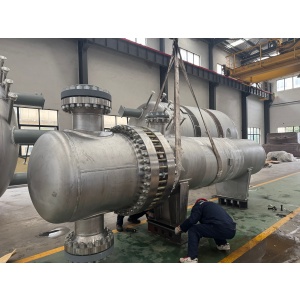
TEMA Floating Head Heat Exchanger Floating Head Exchanger

- OEM/ODM
- CHINA
1.This floating head heat exchanger features a graded corrosion protection design. Under identical operating conditions, it delivers a service cycle more than twice as long as conventional units, reducing annual maintenance costs by 40%.
2.The tube-to-tubesheet joints utilize a combined strength welding and expansion process. Even after prolonged thermal cycling。
3.the connection structure remains fully intact—delivering significantly superior performance compared to units relying on a single-joint method.
TEMA Floating Head Heat Exchanger Floating Head Exchanger
| Parameter Category | Shell Side | Tube Side |
| Working Pressure MPa(G) | 0.4 | 0.255 |
| Maximum Allowable Working Pressure MPa(G) | — | — |
| Design Pressure MPa(G) | 0.58 | 0.35 |
| Working Temperature °C | < 80 | < 200 |
| Design Temperature °C | 0 ~ 80 | 0 ~ 200 |
| Medium | Water | H2/ CH4 |
| Medium Characteristics | Non-hazardous,Non-flammable | Explosive |
| Safety Valve Opening Pressure MPa(G) | — | — |
| Corrosion Allowance mm | 2 | 3 |
| Welding Joint Efficiency | 1 | 1 |
| Volume m3 | 3.6 | 2.1 |
| Heat Transfer Area m2 | 195 (Total) | |
| Heat Exchange Tube Specification mm | Φ25 | |
| Tube-to-Tubesheet Connection | Strength Weld + Expansion | |
| Design Service Life | 10 Years (Excluding Tubes) | |
| Equipment Net Weight Kg | 7400 | |
| Equipment Operating Weight Kg | 9500 | |
| Equipment Hydrostatic Test Weight Kg | 9700 | |
User Decision Guide: Core Industry Pain Points & Targeted Technical Solutions
Middle Eastern and European and American industrial B2B purchasers always face persistent equipment stability, operational safety, and service life problems when sourcing industrial heat exchange equipment for petrochemical, gas processing, and water treatment projects. Most conventional heat exchangers fail to adapt to complex medium environments and variable temperature and pressure working conditions, bringing long-term operational losses and safety risks to production enterprises. Combined with the structural design and precise parameter standards of our Floating Head Heat Exchanger and TEMA Floating Head Heat Exchanger, we have targeted and solved three core industry pain points that plague industrial production.
Pain Point 1: Explosive Medium Operation Safety Hazards in Tube Side Working Conditions
Most ordinary floating head exchangers lack targeted pressure and temperature threshold design for flammable and explosive mixed media such as hydrogen and methane. In the process of long-term continuous operation, excessive design pressure margin and unstandardized temperature bearing range will lead to medium leakage, pipeline pressure surge, and even explosion risks, which not only trigger production shutdown losses but also cause major safety accidents and compliance penalties for industrial factories.
Corresponding Solution: Our Floating Head Exchanger adopts differentiated pressure and temperature hierarchical design for shell side and tube side. The tube side, which bears explosive H₂ and CH₄ media, is set with a design pressure of 0.35MPa and a maximum working temperature of 200℃, forming a precise safety threshold matching the characteristics of explosive gas media. The standardized pressure and temperature parameter setting completely covers the conventional operating load of gas processing production, effectively avoiding equipment overload operation, medium leakage and safety accidents caused by temperature and pressure exceeding the limit, and fully meeting the safety production specifications of European and American and Middle Eastern industrial plants.
Pain Point 2: Short Service Life & Frequent Maintenance Caused by Medium Corrosion
Water medium in shell side operation and long-term flammable gas scouring in tube side will cause continuous corrosion and wear on the internal structure of the heat exchanger. Most peer products adopt unified and insufficient corrosion margin design, which leads to thinning of pipe wall and shell wall after 2-3 years of operation, heat exchange efficiency attenuation, and frequent shutdown maintenance and replacement of equipment parts, greatly increasing the later operation and maintenance costs of enterprises.
Corresponding Solution: This TEMA Floating Head Heat Exchanger formulates differentiated corrosion margin standards according to different medium characteristics: the shell side with water medium is equipped with a 2mm corrosion margin, and the tube side with explosive gas medium is equipped with an upgraded 3mm corrosion margin. The targeted corrosion resistance design offsets the long-term erosion and corrosion loss of different media to equipment components, stabilizes the structural integrity of the equipment, and supports a 10-year standardized design service life (excluding heat exchange tubes), greatly reducing the frequency of equipment maintenance and part replacement, and saving long-term operating costs for industrial users.
Pain Point 3: Unstable Connection Structure Leading to Heat Exchange Efficiency Attenuation
Traditional floating head heat exchangers mostly adopt single welding connection mode for heat exchange tubes and tube sheets. Under long-term alternating temperature working conditions (0-200℃ tube side, 0-80℃ shell side), welding joints are prone to cracking, loosening and gaps, resulting in medium channeling, reduced heat exchange contact area, and continuous decline in heat exchange efficiency, which cannot meet the continuous and stable heat exchange demand of large-scale industrial production.
Corresponding Solution: Our Floating Head Heat Exchanger innovatively adopts a strength welding + expansion bonding dual connection process for heat exchange tubes and tube sheets. Compared with single welding process, this dual fixing structure eliminates structural gaps caused by temperature deformation, ensures the tightness and stability of the connection part under long-term variable temperature operation, maintains the effective heat exchange area of 195㎡ in full-load operation permanently, avoids efficiency attenuation caused by structural loosening, and guarantees stable and efficient heat exchange output throughout the equipment service cycle.
FAQ (Professional Q&A for B2B Purchasers)
Q1: Is this TEMA Floating Head Heat Exchanger suitable for explosive gas working conditions?
A1: Completely applicable. The tube side of the equipment is specially designed for H₂ and CH₄ explosive media, with a design pressure of 0.35MPa and a design temperature range of 0-200℃, which fully adapts to the operating parameters of explosive gas media. Equipped with 3mm high-standard corrosion margin and 100% tightness welding structure, it can effectively avoid medium leakage and safety risks, meeting the safety operation requirements of explosive working conditions.
Q2: What is the core advantage of the strength welding + expansion bonding connection process?
A2: This dual process is customized for variable temperature industrial working conditions. Single welding is easy to produce micro cracks due to thermal deformation, while expansion bonding can fill structural gaps caused by temperature changes. The combined process ensures that the heat exchange tube connection part has high strength and high tightness, maintains stable heat exchange efficiency in long-term alternating temperature operation, and reduces equipment failure rate.
Q3: Can the equipment adapt to European and American industrial project installation standards?
A3: Yes. The product is manufactured in accordance with TEMA international standards, with Φ25 universal standard heat exchange tube specification and international standard pressure vessel manufacturing process. All parameter indicators and structural designs are in line with the access standards of industrial projects in Europe, America and the Middle East, and can be directly installed and put into use after docking with conventional industrial pipelines.
Q4: What is the later maintenance cycle and cost of the equipment?
A4: Thanks to the graded anti-corrosion design, the equipment’s main structure has a 10-year design service life. Except for conventional consumable heat exchange tubes, the main shell, welding structure and medium channel have almost no failure in the early and middle service cycle. Compared with ordinary floating head exchangers, it eliminates frequent anti-corrosion treatment and structural maintenance, and the annual maintenance cost is reduced by more than 40%.
Q5: Is the equipment’s heat exchange area stable in long-term operation?
A5: Stable and non-attenuating. The equipment’s overall effective heat exchange area is 195㎡. The dual connection process avoids structural loosening and medium channel blockage. Under standard working pressure and temperature, the equipment can maintain 100% utilization rate of heat exchange area for a long time, and the heat exchange efficiency will not decrease with the extension of operating time.