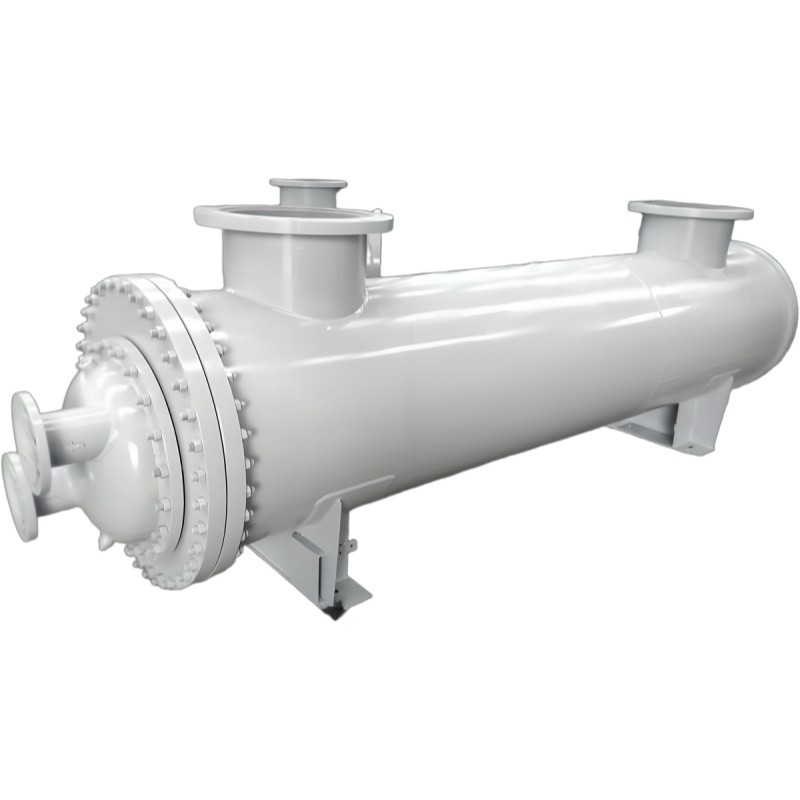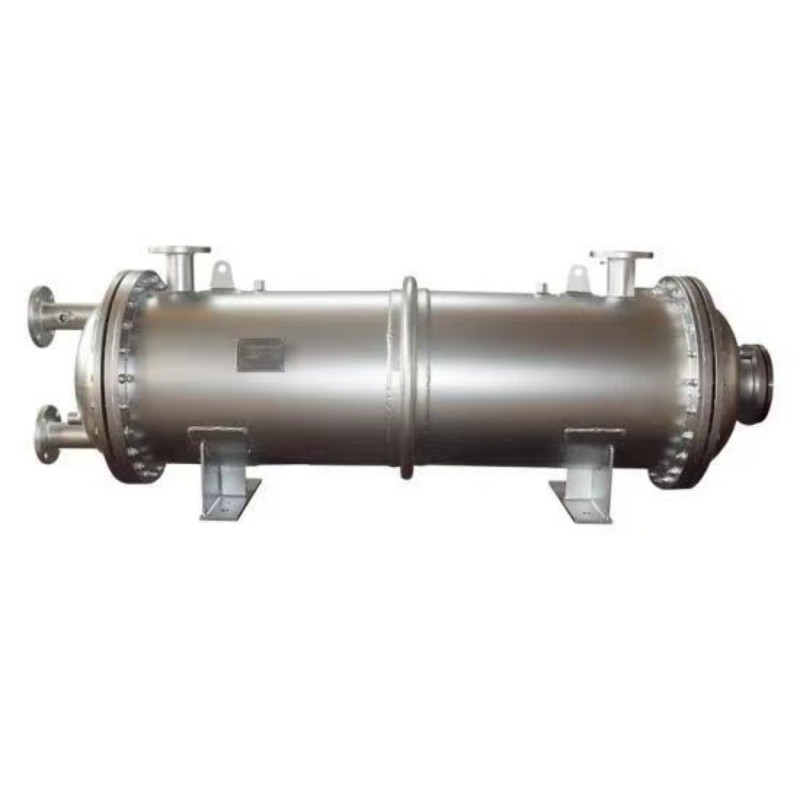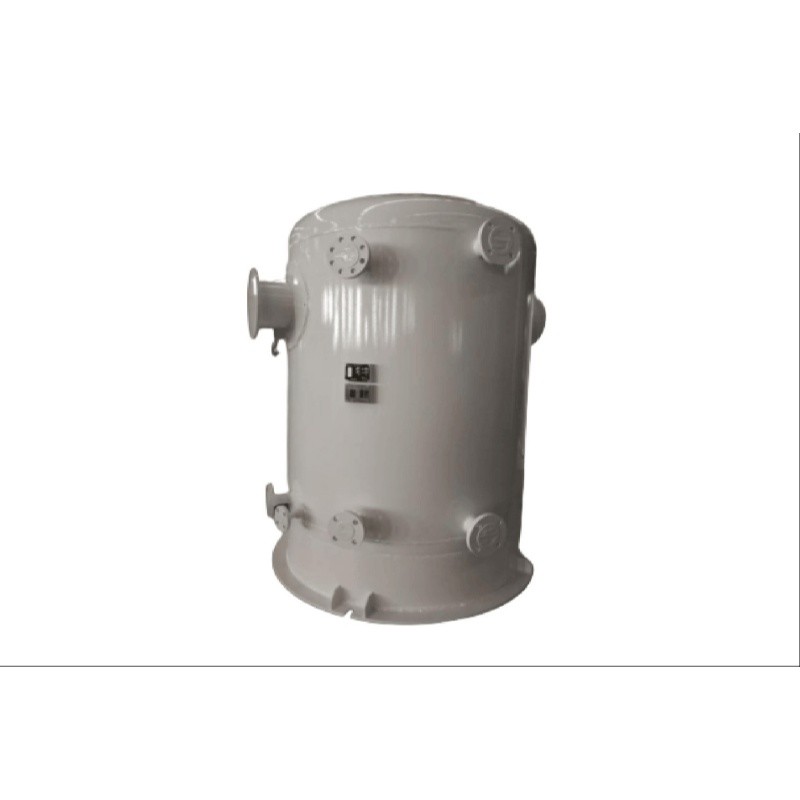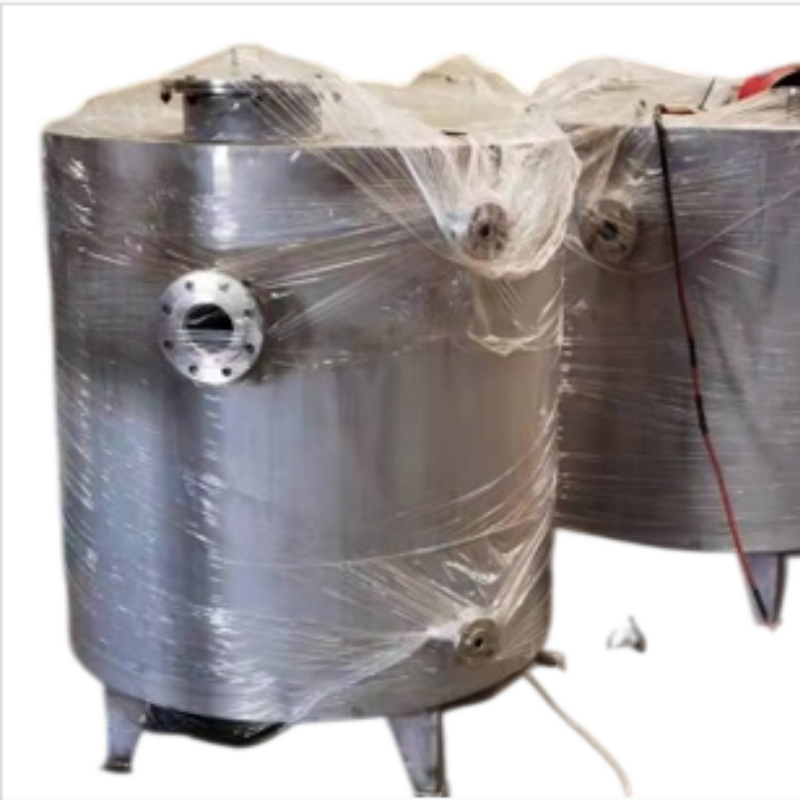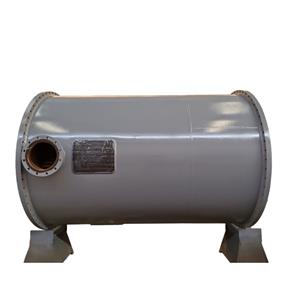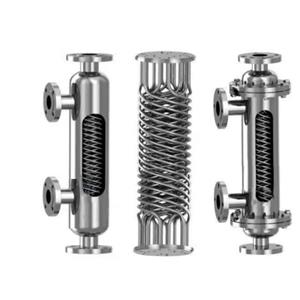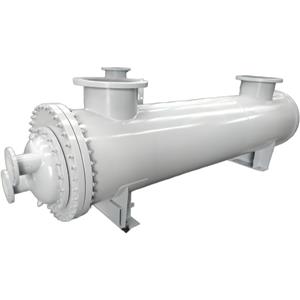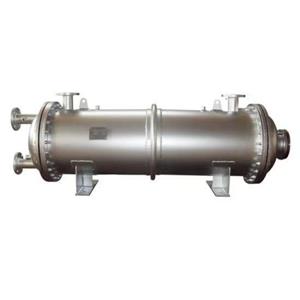
Helical Coil Heat Exchanger Helically Coiled Tube Wound

- OEM/ODM
- CHINA
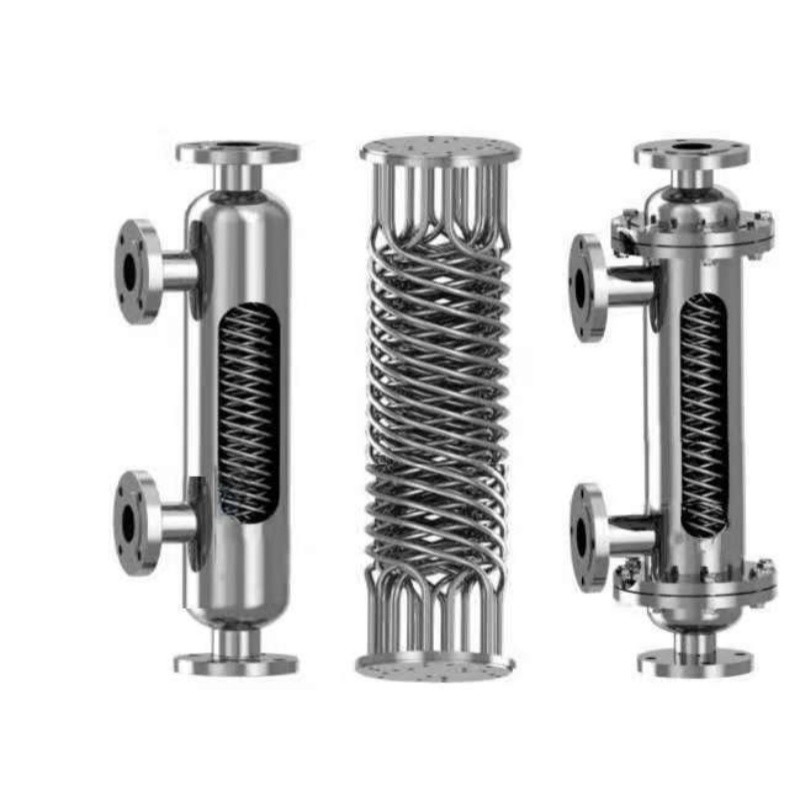
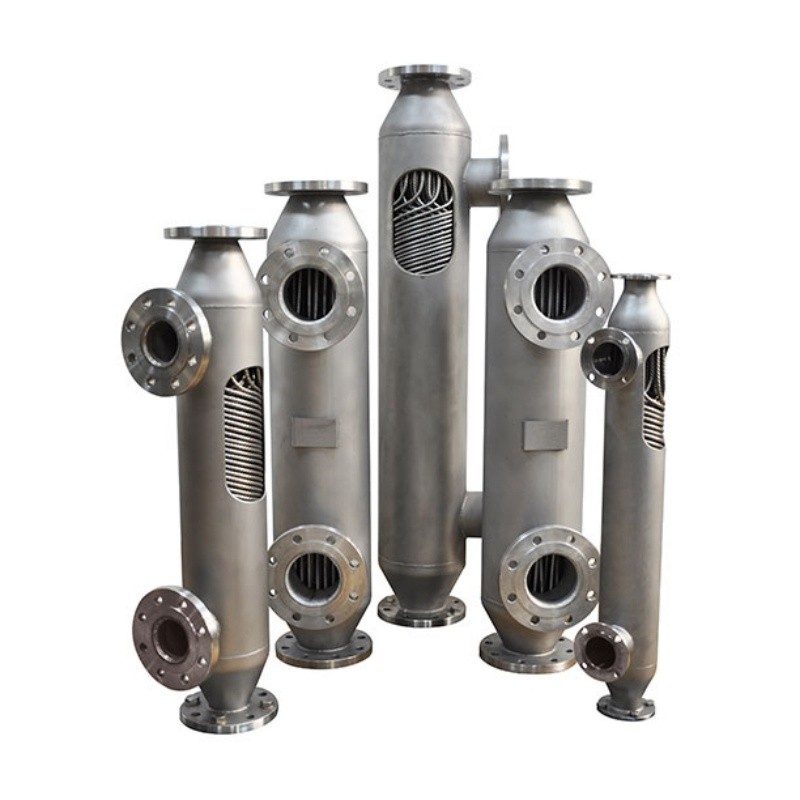
1.The multi-channel independent tube plate design of Helically Coiled Tube Heat Exchanger realizes multi-medium independent heat exchange in a single device, replacing the multi-unit combined scheme of traditional equipment, greatly reducing initial investment and plant occupation cost.
With self-compensating thermal stress structure and high-standard welding process, the service life is stably maintained at 12-20 years.
2.The Helical Coil Heat Exchanger has no internal flow dead zone, supports CIP online cleaning, and meets food and pharmaceutical sanitation standards.
Its stable heat transfer performance ensures uniform process temperature, avoids product quality fluctuation caused by unstable heat exchange, and is suitable for long-term continuous operation of fine processing production lines.
Helically Coiled Tube Heat Exchanger | Helical Coil / Spiral Wound / Wound Tube Heat Exchanger for LNG, Petrochemical & Cryogenic Process
Real Industrial Application Scenarios
Based on accurate working condition matching capability, complex fluid adaptability and multi-stream high-efficiency heat exchange advantages, Spiral Wound Heat Exchanger series equipment is widely used in core industrial scenarios such as LNG energy, coal chemical industry, air separation and pharmaceutical food processing, and has been fully verified by European and Middle Eastern large-scale industrial projects.
1. LNG & LNG-FPSO Cryogenic Energy Projects
LNG liquefaction and offshore LNG-FPSO floating production projects require core heat exchange equipment to cope with ultra-low temperature, large temperature difference, multi-refrigerant medium simultaneous heat exchange and limited platform space constraints. TheHelically Coiled Tube Heat Exchanger serves as the main cryogenic heat exchanger for such projects. Its compact spiral winding structure adapts to narrow offshore platform space; multi-channel structure meets the simultaneous heat exchange demand of multiple refrigerants and natural gas; self-compensating thermal stress structure resists frequent temperature cycle changes in cryogenic working conditions, avoiding equipment damage and heat exchange efficiency attenuation, and ensuring stable operation of LNG liquefaction production lines throughout the year.
2. Coal Chemical & Petrochemical Synthesis Ammonia Units
The Texaco process synthesis ammonia plant involves low-temperature methanol washing and low-temperature nitrogen washing processes, with working characteristics of high tube-side pressure, small temperature difference and large heat load, and complex and corrosive washing media. The Wound Tube Heat Exchanger can be accurately customized according to process heat load and fluid characteristics. High-pressure resistant tube bundle structure adapts to high-pressure solvent loop working conditions; anti-corrosion alloy materials resist medium corrosion; no dead zone flow field prevents scaling and blockage. It is used as solvent cooler and reactor feed-effluent heat exchanger in synthesis ammonia and high-pressure hydrogenation units, effectively recovering process heat and reducing plant energy consumption.
3. Air Separation, Pharmaceutical & Fine Chemical Processing Systems
Large-scale air separation projects require equipment to complete heat exchange and liquefaction of liquid oxygen and liquid nitrogen under low-temperature working conditions; pharmaceutical and fine chemical production involves distillation and reflux, material concentration, traditional Chinese medicine extraction and high-temperature instantaneous sterilization processes, with high requirements for equipment sanitation, anti-scaling and stable heat exchange. The Helical Coil Heat Exchanger has no internal flow dead zone, supports CIP online cleaning, and meets food and pharmaceutical sanitation standards. Its stable heat transfer performance ensures uniform process temperature, avoids product quality fluctuation caused by unstable heat exchange, and is suitable for long-term continuous operation of fine processing production lines.
Industrial Core Pain Points & Targeted Technical Solutions
Pain Point 1: Blind model selection without accurate heat load calculation leads to insufficient heat exchange capacity or idle equipment investment
Most industrial purchasers only rely on empirical data to select heat exchangers, ignoring accurate calculation of core parameters such as process fluid flow rate, inlet and outlet temperature difference, and system pressure drop limit. Conventional straight-tube heat exchangers have fixed heat load limits. If the selected model is too small, the equipment cannot bear the actual operating heat load, resulting in unqualified medium temperature, unbalanced process parameters and restricted production capacity; if the model is oversized, it will cause long-term idle of equipment heat exchange area, increased initial procurement cost, wasted plant space and low unit operating efficiency, bringing unnecessary CAPEX waste for industrial projects.
Targeted Solution: The Spiral Wound Heat Exchanger supports customized design based on accurate heat load calculation. Its unique spiral winding structure and multi-tube bundle layout can flexibly match variable fluid flow and temperature difference parameters. Different from the fixed heat load limit of conventional equipment, the adjustable tube layer number and spacing structure can precisely cover the actual heat exchange demand of the system. Meanwhile, the equipment strictly adapts to the system inlet and outlet pressure drop limit in design, avoiding flow resistance overload. This customized design based on working condition parameters completely solves the problem of mismatched heat load selection, realizing precise matching of equipment performance and project demand, and eliminating idle investment and insufficient operating capacity.
Pain Point 2: Conventional equipment cannot adapt to complex fluid characteristics, resulting in rapid scaling, reduced efficiency and frequent maintenance
Industrial process fluids have diverse physical properties, including high viscosity, easy scaling, weak corrosion and other characteristics. Ordinary shell-and-tube heat exchangers have single flow field structure and dead flow zones. When applied to high-viscosity and easy-scaling media, fluid deposition and scaling blockage are prone to occur, which continuously reduces heat transfer coefficient and affects process stability. Most traditional equipment has an integrated non-detachable structure, which cannot be cleaned and maintained efficiently. Long-term scaling and corrosion will accelerate equipment aging, increase daily OPEX maintenance costs, and even cause unplanned shutdown losses for production lines.
Targeted Solution: The Helical Coil Heat Exchanger adopts a reverse spiral alternating winding structure with standardized spacer strips to form a uniform and smooth flow channel without dead zones. The spiral swirling flow field generated during fluid operation effectively suppresses medium deposition and scaling, and adapts to high-viscosity process fluid heat exchange. For easy-scaling and corrosive media, the equipment supports detachable tube bundle design and customized material selection of stainless steel, copper-nickel alloy and other anti-corrosion materials. It realizes convenient disassembly, cleaning and maintenance, fundamentally solves the efficiency attenuation problem caused by fluid scaling and corrosion, and reduces long-term maintenance and operation costs.
Pain Point 3: Traditional single-stream equipment requires multi-unit combination for multi-medium heat exchange, with high comprehensive cost and poor cost performance
In LNG, coal chemical synthesis ammonia, air separation and other multi-process production scenarios, multiple media need simultaneous heating and cooling heat exchange. Conventional heat exchangers only support single or double fluid heat exchange. To meet multi-medium processing demands, enterprises need to purchase multiple sets of equipment, supporting pipelines, valves and instrument systems, resulting in high overall procurement costs. Multi-unit combined layout occupies a large plant area, increases civil engineering investment and system operation difficulty. Moreover, the comprehensive service life of conventional equipment is short, and the frequent replacement of accessories and equipment further reduces the long-term cost performance of the project.
Targeted Solution: The Helically Coiled Tube Heat Exchanger adopts a multi-channel independent tube plate grouping design, which can realize simultaneous heat exchange of more than two independent media in a single shell. It replaces the multi-unit combined scheme of traditional equipment, greatly reduces the procurement cost of auxiliary equipment and the occupation of plant space. With the advantages of compact structure, high heat transfer efficiency, self-compensating thermal stress and 12-20 year long service life, it balances initial procurement cost and later operation and maintenance cost, effectively improving the comprehensive cost performance of industrial projects.
FAQ
Q1: How to confirm the matching degree between Helically Coiled Tube Heat Exchanger and my project working conditions?
You only need to provide core project parameters including process fluid type, flow rate, inlet and outlet temperature difference, operating pressure and system pressure drop limit. Our professional engineering team will complete accurate heat load calculation, fluid property adaptation analysis and structural configuration optimization, and verify the matching degree of Helical Coil Heat Exchanger with your project to ensure the equipment meets production process requirements.
Q2: What fluid working conditions is the Spiral Wound Heat Exchanger suitable for? Can it adapt to high-viscosity and corrosive media?
This series of equipment is widely suitable for clean, high-viscosity, low-corrosion and medium-corrosion industrial fluids. The optimized spiral flow field adapts to high-viscosity media anti-scaling heat exchange; by configuring stainless steel, copper-nickel alloy and other anti-corrosion materials, it can cope with corrosive media such as chemical solvents. It is not suitable for working conditions with a large number of solid particles and severe abrasion.
Q3: What is the core advantage of Wound Tube Heat Exchanger compared with traditional multi-unit combined heat exchange system?
Traditional multi-unit combination requires multiple sets of equipment and auxiliary pipe valve systems, with high investment, large floor space and complex operation. The Wound Tube Heat Exchanger realizes multi-medium simultaneous heat exchange in single equipment, which reduces initial procurement cost and plant occupation. Meanwhile, the integrated structure has lower failure rate and simpler maintenance, with far better comprehensive cost performance and operational stability than multi-unit combined systems.
Q4: How long is the service life of the equipment? What is the daily maintenance cycle and difficulty?
Under standard working conditions and standardized operation, the equipment service life is 12-20 years. For conventional clean media, only regular routine inspection and simple cleaning are required; for high-viscosity and easy-scaling media, regular chemical cleaning or detachable tube bundle physical cleaning can be carried out. The maintenance difficulty is far lower than that of traditional integrated heat exchangers, which effectively saves labor and time costs.
Q5: Can the equipment be customized according to special heat load and space limit requirements?
Yes, full personalized customization is supported. We can adjust the number of spiral winding layers, tube spacing, tube bundle structure and material configuration according to user's heat load demand, fluid parameters and plant space size. It can meet the special working condition requirements of small-space layout, ultra-high heat load and multi-medium complex heat exchange, covering all conventional industrial application scenarios.