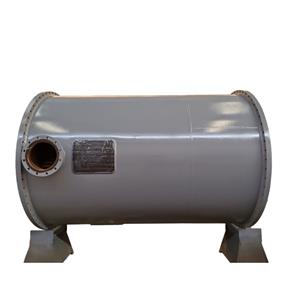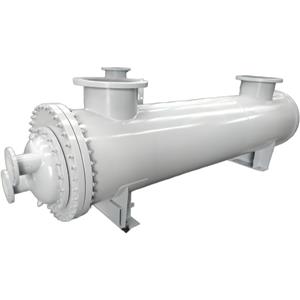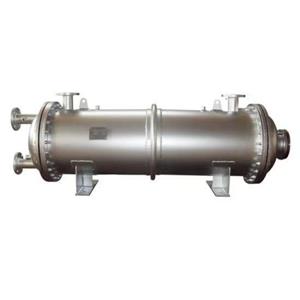
Marine LNG Heat Exchanger Industrial LNG Vaporizer

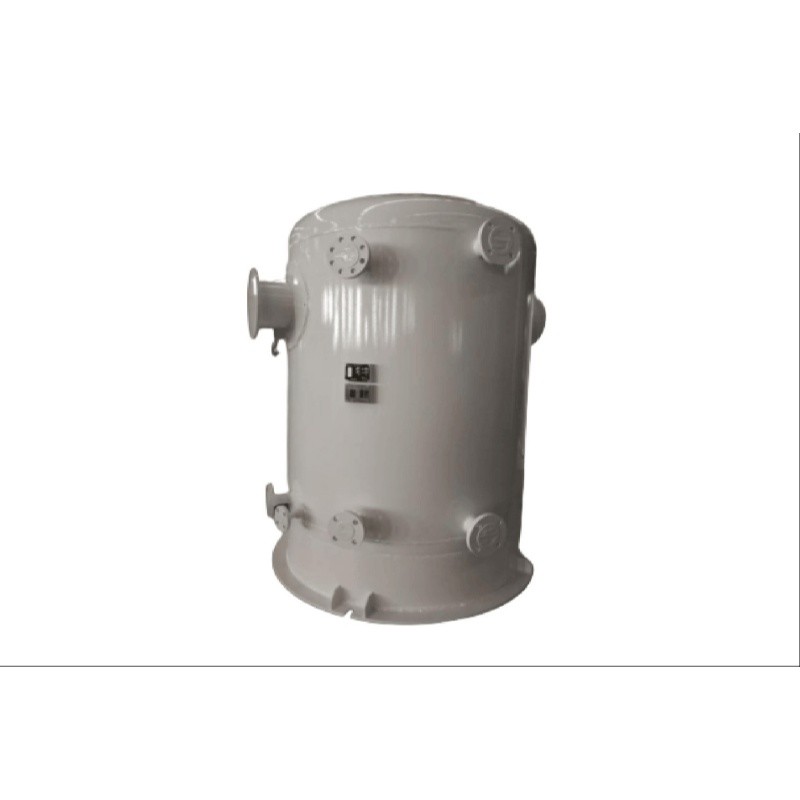
- OEM/ODM
- CHINA
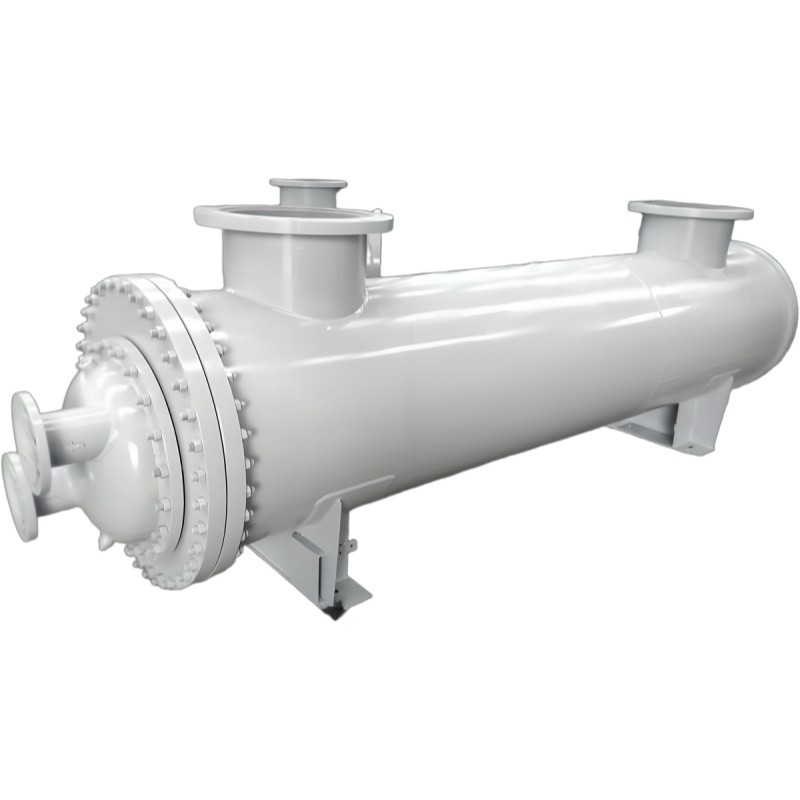
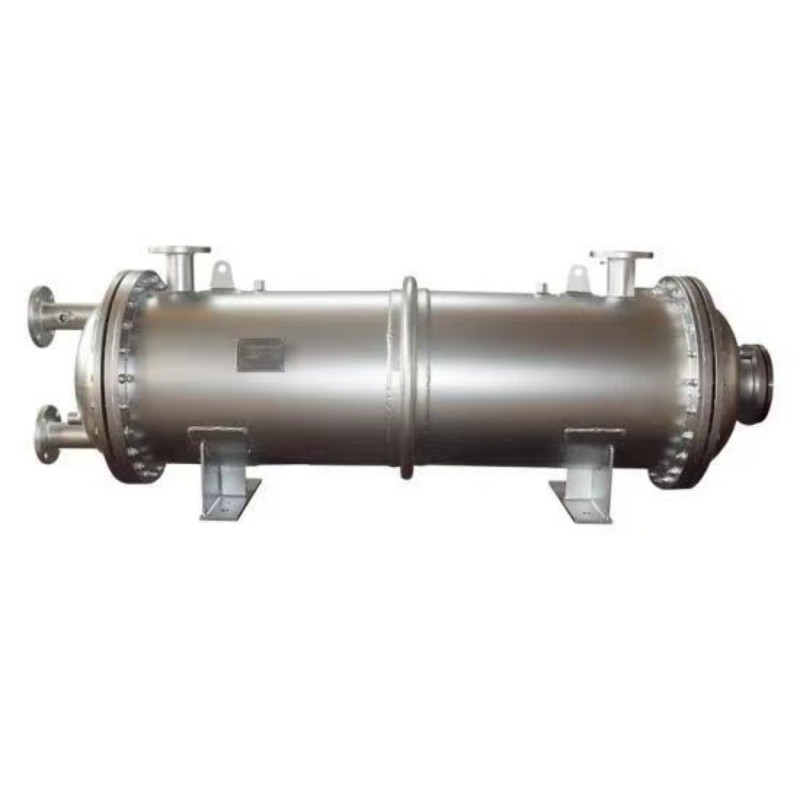
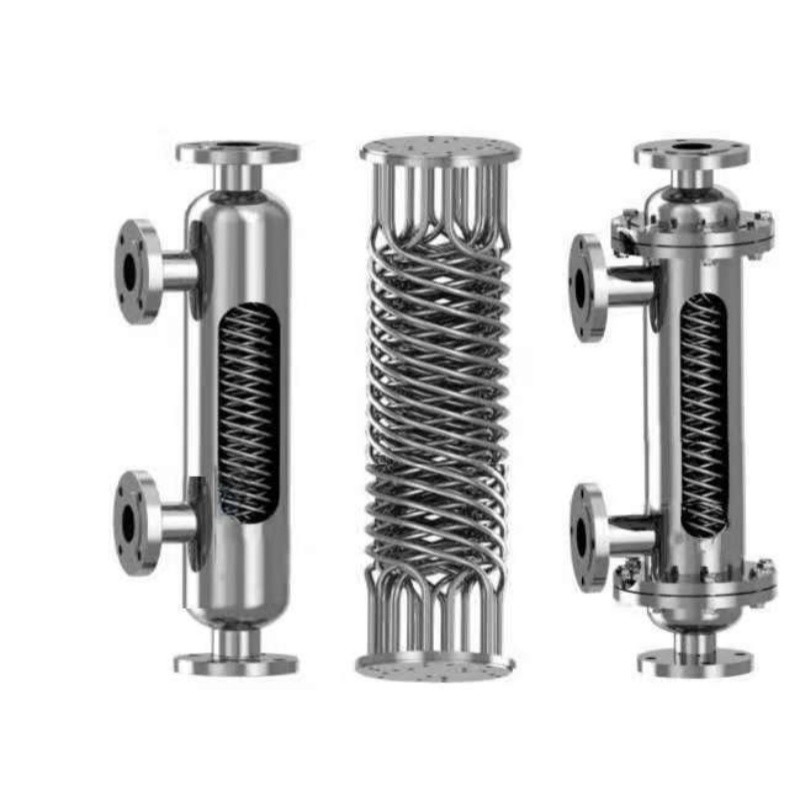
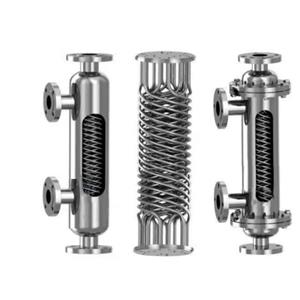
1.Our Industrial LNG Vaporizer adopts optimized coil wound water bath structure. The spiral coil design greatly increases the effective heat exchange area and medium circulation path, realizes full contact and uniform heating between LNG medium and water bath heat source, and significantly improves LNG vaporization completeness and heat exchange efficiency.
The integral coil structure has uniform stress distribution, strong pressure and temperature impact resistance, and can maintain stable structural performance in long-term full-temperature and high-pressure operation, with higher operational reliability than peer straight tube products.
2.With full stainless steel material configuration, wide temperature and pressure adaptation range and efficient coil wound water bath vaporization process
Industrial LNG Vaporizer | Professional Marine LNG Heat Exchanger for LNG Heating and Vaporization
Product Specifications
Design temperature: -196 °C to 120 °C
Equipment diameter: φ219–φ1200
Shell material: stainless steel
Design pressure: 1.6 MPa
Heat exchanger tube material: 304 stainless steel
Real Industrial & Marine Application Scenarios
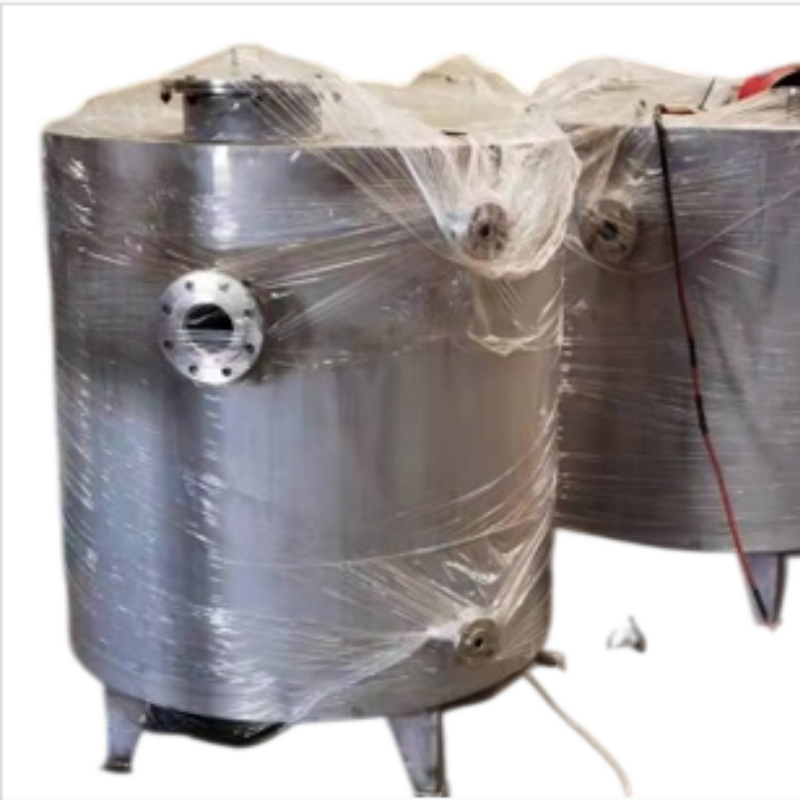
our Industrial LNG Vaporizer and Marine LNG Heat Exchanger are widely applicable to marine engineering, LNG terminal stations, chemical energy and other fields. The equipment can operate stably in ultra-low temperature, high-pressure and harsh marine environments.
Core Pain Points & Targeted Technical Solutions
Pain Point 1: Conventional LNG vaporization equipment cannot adapt to extreme low temperature working conditions, with low operational stability
LNG belongs to ultra-low temperature medium, with a storage and transportation temperature as low as -196℃. Most ordinary industrial vaporizers and marine heat exchangers on the market adopt ordinary carbon steel or low-grade stainless steel materials, which are poor in low-temperature toughness and cold resistance. Under long-term alternating working conditions of ultra-low temperature (-196℃) and conventional operating temperature (120℃), the equipment shell and heat exchange tubes are prone to cold brittleness, structural deformation and micro-cracks. These hidden dangers will lead to reduced equipment operating accuracy, unstable LNG heating and vaporization effect, and even equipment damage and production shutdown in severe cases, bringing huge economic losses to marine operations and industrial LNG terminal production.
Corresponding Solution: Our Industrial LNG Vaporizer adopts full stainless steel configuration for both shell and heat exchange tubes, with a professional operating temperature range of -196℃ to 120℃. The 304 stainless steel heat exchange tube and stainless steel shell have excellent ultra-low temperature resistance and temperature shock resistance, which can avoid cold brittleness and structural damage of materials under extreme low-temperature and temperature alternating working conditions. This material design fundamentally solves the stability problem of equipment operation in full temperature range, ensures continuous and uniform heating and vaporization of LNG medium, and maintains consistent vaporization efficiency in long-term industrial and marine working scenarios.
Pain Point 2: Ordinary marine LNG heat exchange equipment has poor sealing performance, leading to medium leakage risks
Marine LNG working environments are accompanied by hull vibration, wave impact and humid and salty air corrosion all year round. Most conventional marine heat exchangers adopt ordinary welding and assembly processes, with insufficient sealing tightness at structural joints. Under long-term vibration and corrosive working conditions, sealing gaps are easy to appear, resulting in LNG medium leakage. LNG is a flammable and cryogenic medium, and medium leakage will not only cause energy waste and increased operating costs, but also bring major potential safety hazards to marine ship operation and offshore engineering projects, failing to meet the strict safety operation standards of European and Middle Eastern marine engineering enterprises.
Corresponding Solution: As a high-performanceMarine LNG Heat Exchanger, the product adopts professional coil wound water bath heat exchange structure and integrated sealing process. The coil wound structure realizes fully enclosed heat exchange of LNG medium in the tube, and the matching stainless steel integral shell eliminates structural assembly gaps. The overall sealing performance of the equipment is significantly improved, which can resist structural loosening caused by marine vibration and salt fog corrosion. It completely avoids LNG medium leakage risks, meets the high safety standards of marine and industrial LNG vaporization links, and ensures zero leakage and safe operation of the equipment throughout the whole cycle.
Pain Point 3: Generic heat exchange equipment has single scenario adaptability and cannot meet diversified engineering matching demands
Most traditional LNG vaporization equipment has fixed structural specifications and single applicable working conditions, which can only adapt to conventional industrial low-load vaporization scenarios, and cannot match the dimensional and performance requirements of large marine engineering equipment and large-scale LNG terminal production lines. The lack of flexible specification matching ability leads to poor equipment compatibility. Enterprises often need to customize multiple sets of different equipment for different projects, which increases procurement costs and equipment management costs, and cannot realize unified and standardized equipment operation.
Corresponding Solution: Our Industrial LNG Vaporizer supports diversified diameter customization from φ219 to φ1200, covering small, medium and large specification models. Combined with the design pressure of 1.6MPa and full-temperature adaptive performance, the equipment has ultra-high scenario adaptability. It can perfectly match small marine ship LNG vaporization systems and large industrial LNG terminal heating and vaporization production lines. The strong compatibility realizes one equipment adapting to multiple working scenarios, reduces the overall equipment procurement and management costs for B2B purchasers, and improves the standardization level of project operation.
FAQ
Q1: What working conditions and scenarios are this LNG vaporizer mainly applicable to?
Answer: This series of equipment is divided into industrial and marine models, covering all core scenarios of LNG heating and vaporization. It is widely applicable to marine ship LNG fuel vaporization systems, large-scale industrial LNG terminal stations, and petrochemical industry LNG medium phase conversion working conditions. With a temperature adaptation range of -196℃ to 120℃ and a design pressure of 1.6MPa, it can adapt to ultra-low temperature storage, high-temperature heating and conventional high-pressure operating environments, and is suitable for long-term continuous operation of marine engineering and industrial production lines.
Q2: What are the advantages of full stainless steel material compared with carbon steel equipment?
Answer: Different from conventional carbon steel LNG heat exchange equipment, our equipment adopts full stainless steel shell and 304 stainless steel heat exchange tubes. Stainless steel materials have no cold brittleness risk in -196℃ ultra-low temperature environment, and can avoid structural cracking and deformation. At the same time, it has excellent salt fog corrosion resistance and chemical corrosion resistance, which can adapt to harsh marine working environments and complex industrial working conditions. It effectively extends the equipment service life, reduces the frequency of later maintenance and component replacement, and has higher operational safety and long-term cost performance than carbon steel equipment.
Q3: Can the equipment be customized according to project specification requirements?
Answer: Yes. Our Industrial LNG Vaporizer and Marine LNG Heat Exchanger support personalized specification customization. The equipment diameter can be flexibly selected and customized in the range of φ219 to φ1200 to meet the matching requirements of small marine supporting projects and large industrial terminal projects. On the premise of unchanged core materials and process parameters, we can adjust the equipment size and heat exchange area according to the customer's on-site medium flow and vaporization demand, ensuring perfect matching with the customer's project working conditions.
Q4: How does the coil wound water bath structure improve LNG vaporization efficiency?
Answer: The traditional straight tube heat exchange structure has limited heat exchange area and uneven heating. The coil wound water bath structure adopted by our equipment increases the effective circulation path and heat exchange contact area of LNG medium in the equipment. The spiral coil is fully immersed in the water bath heat source, realizing 360° uniform heating of the medium. It solves the problems of local low temperature and incomplete vaporization of LNG in the heat exchange process, significantly improves the vaporization completeness and heat energy utilization rate, and ensures the stable and efficient operation of the LNG vaporization system.
Q5: What is the later maintenance cycle and maintenance difficulty of the equipment?
Answer: The equipment adopts integrated full stainless steel structure and fully enclosed coil wound process, with no easy-damable vulnerable parts and excellent overall stability. Compared with peer assembled equipment, it has no hidden dangers of joint loosening and leakage. Under conventional working conditions, the equipment only needs regular visual inspection and water bath routine maintenance, with low maintenance difficulty and simple operation. The long-term stable performance of stainless steel materials avoids frequent component replacement and structural maintenance, greatly reduces the later operational and maintenance costs of the equipment, and is very suitable for long-term unattended continuous operation of marine and industrial projects.